

Each case has its own specifics and having an attorney or advocate on your side is important to navigating the world of restraining orders, whether you are filing one, or have had one filed against you.
A domestic violence restraining order (DVRO) is a civil court order that is signed by a judge and tells the abuser to stop the abuse or face serious legal consequences. It offers civil legal protection from domestic violence to both female and male victims.
Domestic violence is defined as when your current or former spouse, boyfriend / girlfriend, someone you have a child in common with, someone you live(d) with, or someone you are related to through blood or marriage* does one of the following:
Causes or attempts to cause you physical injury;
Sexually assaults you;
Makes you fear that you or another person is in danger of immediate, serious physical injury;
Molests, attacks, strikes, batters (uses force), or stalks you;
Threatens or harasses you – either in person or through phone calls, emails, etc.;
Destroys your personal property; and/or
Disturbs your peace.
Note: If the acts of the abuser do not fit in this definition or if you do not have the specific relationship with the abuser that is mentioned above, you may still be eligible for a Civil Harassment Order.
Emergency Protective Order
If a police officer responds to a domestic violence call, the police officer can issue an Emergency Protective Order which goes into effect immediately.
An emergency protective when s/he believes that there is an immediate and present danger of domestic violence or that a child is in immediate or present danger of abuse or abduction (kidnaping) by a parent or relative and that the order is necessary to prevent domestic violence, child abuse or child abduction.
An emergency protective order can last only five business days or seven calendar days (whichever is shorter). An emergency protective order is supposed to give you time to go to court to ask for a domestic violence restraining order, which lasts longer. In the emergency order there are included most of the protections that you can get in a regular DVRO, such as removing the abuser from the home and ordering him to have no contact with you. It can also give you temporary custody of your children.
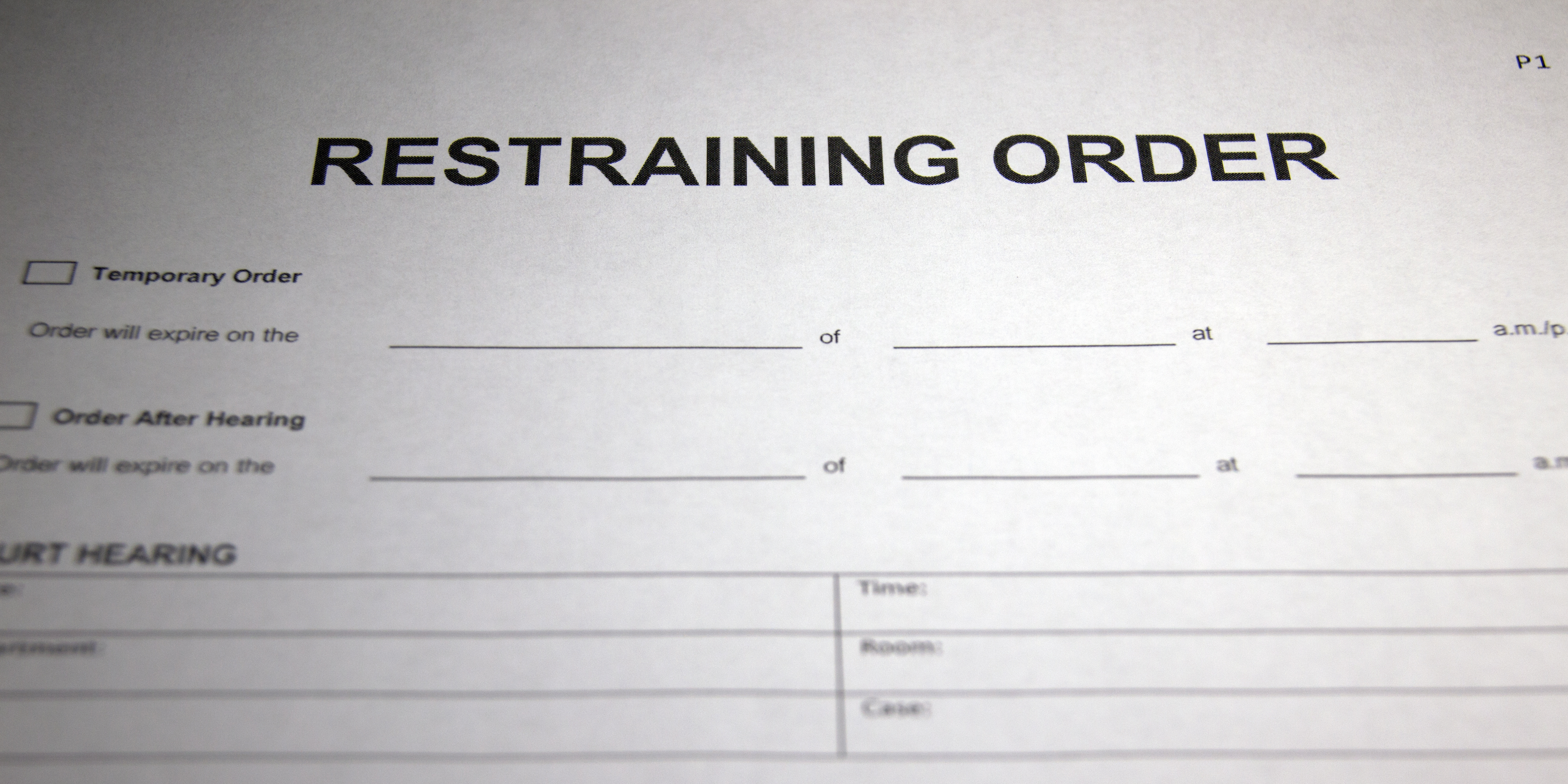
Temporary (ex parte) Restraining Order
When you go to court to apply for a restraining order, when granted, the clerk will give you a date, within twenty-one days, when you will have to come back to court for a full hearing. If you are in immediate danger and need protection right away, you can ask for a temporary (ex parte) restraining order, which can order the abuser to leave the home, have no contact with you, and offer many other forms of protection.
Restraining Order After Hearing
Whether or not you get a temporary order, you will be scheduled for a hearing to get a final DVRO. After having a court hearing, a judge can grant you a “restraining order after hearing” that can last up to five years. During the last three months of the order, you can ask the judge to have the order extended for another five years, or permanently.
Restraining Orders are extremely serious orders that will impact your life and the life of your children. In family law matters, restraining orders may impact legal custody orders, the custodial relationship, and visitation.
If you or someone you know is in a relationship that domestic violence has or is occurring, consult with an experienced family law attorney to discuss the options available to you.
For more information and to schedule your consultation, please call The Law Offices of Steven B. Chroman, P.C., at 661-255-1800 or visit us at www.chromanlaw.com. Mr. Chroman is a Trusted Advisor Award Winner and named Top 100 California Attorney’s with over 25 years of experience and local service and a 2021 Super Lawyer.
This article was originally published in Santa Clarita Magazine as part of our firm’s mission to make family law information more accessible to the Santa Clarita community. Read the full feature and others at santaclaritamagazine.com.