Our mission is to provide our clients with excellent family law services.
Request a ConsultationFamily Law Attorney in Santa Clarita
Serving Families in Los Angeles County, Ventura County, and surrounding areas
Family law issues are typically difficult and often involve significant emotional conflict, and economic uncertainty. At the Law Office of Steven B. Chroman, P. C., our goal is to help you through your legal issues as quickly and effectively as possible. Our experience and focus means that we can not only anticipate issues, but it ensures our clients receive the individual attention they deserve. The attorney-client relationship is crucial to the successful outcome of the case. Understanding our client’s specific situation helps us guiding them in making decisions that will protect their best interests and future.
Our firm offers personal attention throughout every facet of their case. From completing and filing all necessary forms and assisting in collecting essential documentation and information, to attending conferences and hearings. We will stand by your side to provide the help and guidance needed.
“Yes, you will face challenges, but we will help you learn, and overcome those challenges, one by one. Proper preparation will be the key to achieving the best outcome in your case.” - Steven B. Chroman
Contact the Law Office of Steven B. Chroman, P. C. to set-up a confidential initial consultation.
Personal Attention for Your Legal Issue
-
“Steven has always taken swift action and gave me the straight truth about the situation.”
- John E. -
“This man is amazing and I would recommend him to anyone!”
- Sina W. -
“Responded very quickly to my emails or phone calls I left for him or his staff.”
- Suey T.
Committed to Our Clients & Our Community
We are dedicated to providing an honest assessment of our client options and we strongly believe in empowering our clients to make the best decisions possible based on their specific circumstances and our in-depth knowledge of family law.
We understand the importance of an approach that takes into consideration the issues, needs, and concerns of both parents and children, especially in the face of a divorce or separation. We are also active in our local community to help raise awareness and assist those that need guidance.
Providing our clients with the tools they need to make informed decisions is key to our practice. Mr. Chroman is active in many local groups and is often invited to speak or hold workshops to support the community. Our objective is to limit chaos and stress while increasing overall knowledge and sharing the tools one would need for a long-term understanding on how to independently handle everyday issues.


Client-Focused Representation
through Difficult Legal Situations
-
A Trustworthy Source for Clients and Our Community
-
Empowering Clients through Education and Knowledge
-
Committed to Providing Efficient, Quality Legal Service
-
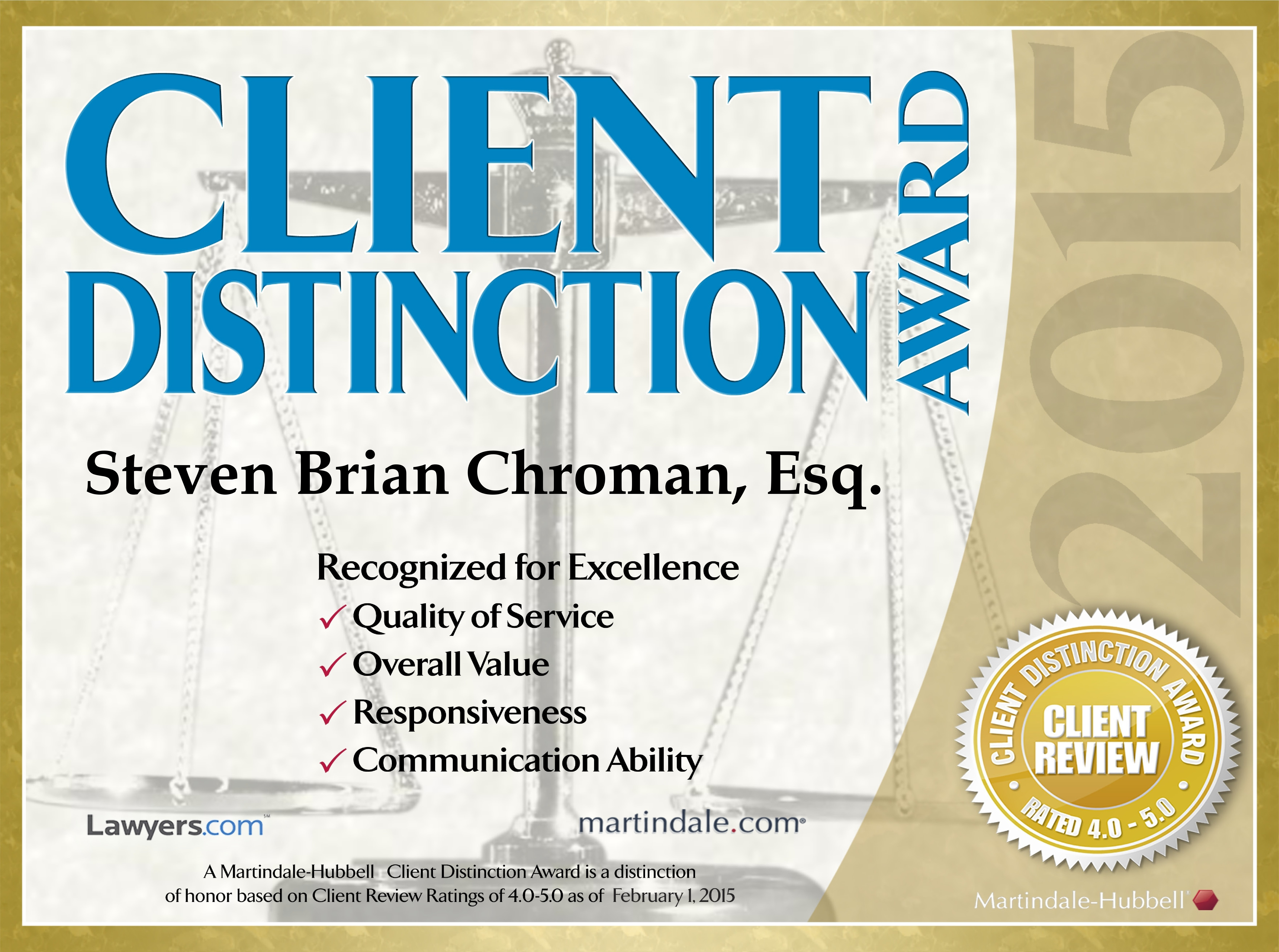
Benefit from the Reputation of Our Award-Winning Team

CONTACT US FOR A Consultation
Call 661-228-6072 or Fill Out the Form Below
-
Guide to Domestic Violence Restraining Orders in California Family Law
- Domestic Violence
Read MoreFew family law matters are as serious or emotionally overwhelming as domestic violence cases. A Domestic Violence Restraining Order, or DVRO, can be an essential legal tool to provide immediate protection for individuals facing abuse. For those who have been served with a DVRO, the consequences can be significant, potentially affecting child custody, housing, employment, and other rights.
Domestic Violence Restraining Orders can feel intimidating, especially when children’s safety is involved. Whether you are seeking protection from someone who has harmed or threatened you, or responding to a restraining order filed against you, understanding how DVROs work in California can help you make more informed decisions.
If you are in immediate danger or worried about your safety, please contact the National Domestic Violence Hotline for confidential support and local resources by texting “BEGIN” to 88788, calling 1-800-799-SAFE, or by visiting thehotline.org.
What is a Domestic Violence Restraining Order (DVRO)?
A Domestic Violence Restraining Order is a court order designed to protect individuals who have experienced abuse from someone they share a close relationship with. Under California law, these relationships may include:
A current or former spouse or domestic partner
Someone you currently date or previously had an intimate relationship with
A close family member, such as a parent, child, sibling, grandparent, or in-law
It is important to recognize that domestic violence is not limited to physical abuse. A DVRO may also assist in situations involving emotional abuse, coercive control, threats, stalking, harassment, financial abuse, property destruction, or behaviors intended to isolate or control another person. Abuse can occur in person, online, and through repeated harassment or even controlling conduct such as restricting access to money, monitoring communications, or threatening loved ones.
What Protections Can a DVRO Provide?
Domestic Violence Restraining Orders can provide a wide range of legal protections depending on the circumstances. A judge can order the restrained person to:
Stop contacting, harassing, threatening, or stalking the protected person
Stay a specified distance away from a home, workplace, school, or vehicle
Move out of a shared residence
Surrender firearms, ammunition, or body armor
Follow child custody or visitation restrictions
Pay child support or spousal support when appropriate
A DVRO not only protects the requesting party, but it can also protect their children, pets, and certain property. Once issued, law enforcement can assist with enforcement if any violations of the restraining order occur.
How to Request a DVRO
For many individuals, one of the most urgent questions is how to actually obtain legal protection. Understanding the filing process can make an overwhelming situation feel more manageable. The process of obtaining a domestic violence restraining order typically begins by requesting a Temporary Restraining Order (TRO.) A TRO provides immediate short-term protection until a formal court hearing is set to take place. Depending on the complexity of your case, the process of obtaining a DVRO can take several weeks or months. If children or shared property are involved, it can take longer. However, when granted a DVRO can remain effective for up to five years and be renewed before it expires.
There is no filing fee to request a DVRO in California and while individuals may represent themselves, working with an experienced family law attorney can often help ensure all paperwork is accurate and evidence is properly presented.
Key Forms for Filing a DVRO
Requesting a domestic violence restraining order requires the completion and filing of specific court forms. Such forms include:
Request for Domestic Violence Restraining Order (Form DV-100). This form explains the abuse experienced and the protections requested. When completing the DV-100, it is often helpful to begin with the most recent incident, include specific details, dates, or approximate timeframes, describe threats, injuries, harassment, or controlling behavior clearly, and provide supporting evidence such as text messages, emails, photos, or witness statements.
Confidential CLETS Information (Form CLETS-001). This is a confidential form that assists law enforcement with enforcement and is never shared with the restrained person.
Notice of Court Hearing (Form DV-109) and Temporary Restraining Order (Form DV-110). These forms outline court dates, hearing details, and any temporary protections granted before the full hearing.
Additional forms may also address child custody, visitation, child and spousal support, or child abduction concerns including:
Request for Child Custody and Visitation Orders (Form DV-105) and Child Custody and Visitation Order (Form DV-140)
Request for Orders to Prevent Child Abduction (Form DV-108) and Order to Prevent Child Abduction (Form DV-145)
After all necessary paperwork has been filed, the other party must be formally served. The court will then schedule a hearing where both parties will have the opportunity to present their position. Judges often rely heavily on written declarations and supporting documentation, which is why clear factual explanations and organized supporting evidence can play a major role in how your case is decided.
How to Respond to a DVRO
Being served with a domestic violence restraining order can feel both immediate and overwhelming. Because restraining orders can significantly affect custody rights, employment, and housing, it is crucial to follow all court orders and respond strategically, including:
Read every document carefully. Pay close attention to court dates, restrictions, and firearm surrender requirements.
Follow all orders strictly. Even accidental violations can result in arrest or criminal consequences.
Consider filing a response. A response can be filed using the Response to Request for Domestic Violence Restraining Order (Form DV-120). A written response allows you to present your side of the situation before the hearing.
Gather relevant evidence including communications, witnesses, photographs, or other documentation that may be important.
Attend the hearing as ordered. Failing to appear can result in longer-term orders being issued without your input.
DVROs, Child Custody, and Firearms
Domestic Violence Restraining Orders often extend beyond immediate protection and can directly impact other major family law issues, such as child custody and firearms. Domestic violence allegations may significantly influence custody determinations because California courts prioritize the child’s best interests and safety above all else. Restrained individuals are also often required to surrender firearms and may face strict legal deadlines for compliance. These overlapping consequences make it especially important to understand both the immediate and long-term effects of a DVRO.
Final Thoughts
Domestic Violence Restraining Orders are designed to protect individuals facing serious harm, but they also carry substantial legal consequences for everyone involved. Whether you are seeking protection or defending against allegations, understanding the full process and legal implications is essential to protecting your rights and safety. DVRO cases are often emotionally charged and legally complex, particularly when children, housing, or financial support are involved. Having experienced legal guidance can help ensure your safety and your rights are properly protected.
At the Law Offices of Steven B. Chroman, P.C., we assist clients through every stage of the DVRO process, from filing and responding to preparing for court. If you have questions about a Domestic Violence Restraining Order or need assistance with another family law matter, contact our office today at (661)-255-1800 or email office@chromanlaw.com to schedule a consultation.
This post is for informational purposes only and does not constitute legal advice. Please call our office to schedule a consultation at (661)-255-1800.
-
Make a Million Without Leaving Your House, Learn a Language While You Sleep, Quick and Flat Fee Divorce, Lose Weight in Seven Days
- Divorce
Read MoreThose are the kind of headlines that can easily catch your eye; especially if you are faced with a world of emotional and financial realities that stem from imminent divorce. Divorce for a flat fee, or divorce in 90 days. Those are headlines to get you in the door. And for some that will work. With almost 50 percent of Americans marriages ending in divorce every year, quick divorces have become an economical alternative to the more traditional procedures. But let's take a closer look at the fast fix and make sure everyone understands what is really involved. At the Law Office of Steven B. Chroman, we offer help with uncontested divorce, mediation and more, but we are always up front and clear about what the requirements are.
While quick divorces are not for everybody, there are indeed couples who can benefit from it. For example:
Spouses/Partners who do not have children or whose children are out of high school, can opt for a quick divorce, as there would be no child custody and support issues to resolve. This does not resolve obviously other issues, however, custody and support often are major sticking issues.
Couples who have no financial debts and those who can resolve property division amicably before initiating the divorce proceedings. If both parties agree to terminate the marriage quickly, quick divorces can be arranged and executed in a matter of months.
Quick divorces, however, are not recommended in certain cases.
Fighting couples that cannot agree on property division or other issues should go through the regular divorce proceeding channels.
If one of the parties does not agree to sign papers or cannot be located, a quick divorce would not be possible.
If the petitioner has a claim or is expecting something from the other side, then a quick divorce is also not an option.
Always use a checklist when considering your future, because the promise of a quick result may haunt you for the rest of your life.
Divorce is a difficult experience on many levels: emotionally, legally, and often financially. Having the right Attorney or Mediator can reduce all of these burdens. The Santa Clarita Divorce Lawyers and Mediators at the Law Offices of Steven B. Chroman, P.C., are committed to helping you understand your options and make the best choices for yourself. Call our offices at 661-255-1800 or visit us online at www.ANewWay2Divorce.com and www.chromanlaw.com for a consultation today!
Be sure to visit amazon.com for Steven B. Chroman's Best Selling Divorce Workbook
This article was originally published in Santa Clarita Magazine as part of our firm’s mission to make family law information more accessible to the Santa Clarita community. Read the full feature and others at santaclaritamagazine.com.
-
How to Make It Through the Holidays Divorce Style
- Divorce
Read More1. Sort out details in advance
This is a must. Nail down the specifics about who gets which days around the winter holidays, including pickup times and locations. Sometimes the details are in your custody agreement, sometimes not. Put it all in an e-mail or in another written document and stick to the deal. Don't fight about time or anything else with the children present.
2. Don't out-Santa each other
If you can speak civilly with your ex, talk about a general budget for presents and the number of presents. Don't outdo each other. Remember the spirit of the holidays and avoid trying to buy the children off with fabulous presents. And don't buy that violent video game for the specific purpose of angering your ex. At the same time, accept that parents may have different standards about what are acceptable gifts. If you are opposed to some games, you may need to accept they will exist at your ex's house.
3. Keep some traditions, within reason
Children love routine and ritual, so keep a few family traditions if you can. If you baked dozens of different types of cookies for everyone in your life, reduce the number of cookies but keep your daughter's favorite 'snickerdoodles'. If your family liked to take a trip into the woods to cut down a tree, you may have to explain that your smaller car can't haul such a tree. Talk with your children ahead of time and find out what is really important to them.
4. Don't push too much togetherness
While some ex-spouses can sing carols around the Christmas tree or light the Hanukkah candles together with the kids and both sets of grandparents, that's not the reality for everyone. Some do not want to spend time with people who left them or whom they chose to leave. Some people fight every time they see each other. Do not force more togetherness than either of you can handle and don't feel guilty about it.
5. Don't lobby for your sweetheart
Bringing a new significant other to the family festivities can really throw the holiday's off-balance for the family. Avoid if it's going to cause trouble. Remember, it's about the children, not you.
To secure any of your custody arrangements before the holidays please call the Law Offices of Steven B. Chroman at 661-255-1800 or visit us at www.chromanlaw.com.
This article was originally published in Santa Clarita Magazine as part of our firm’s mission to make family law information more accessible to the Santa Clarita community. Read the full feature and others at santaclaritamagazine.com.